
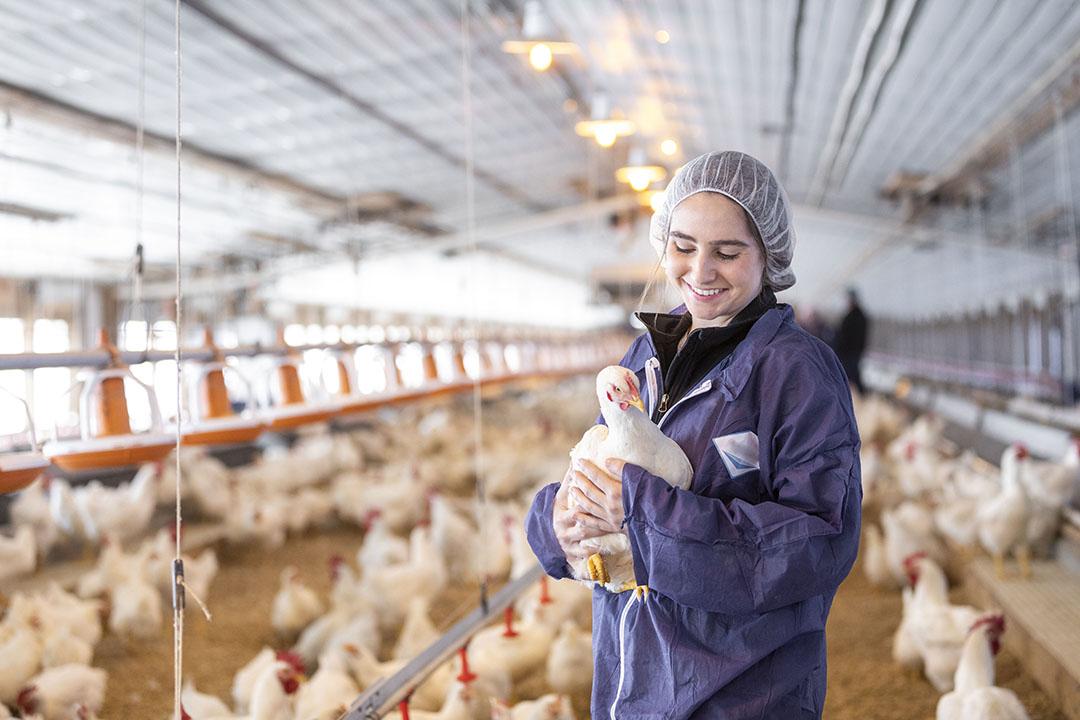
Growth and daily management of chicks are important for successful poultry farming. Proper care helps chicks grow well, remain healthy, and develop into productive chickens. Farmers need to provide balanced feed, clean water, suitable warmth, good housing, and regular health checks.
1. Growth stages of chicks
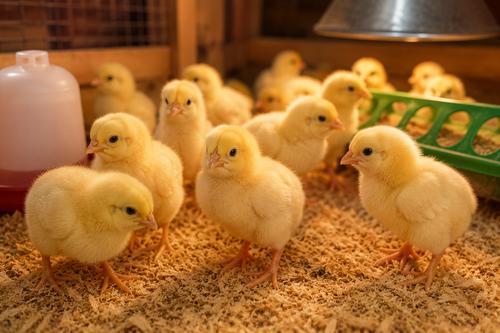
Week 1: Days 1–7
- Provide appropriate brooder warmth.
- Give clean water and quality chick starter feed.
- Ensure every chick can reach the feeders and drinkers.
- Observe the chicks frequently for signs of weakness.
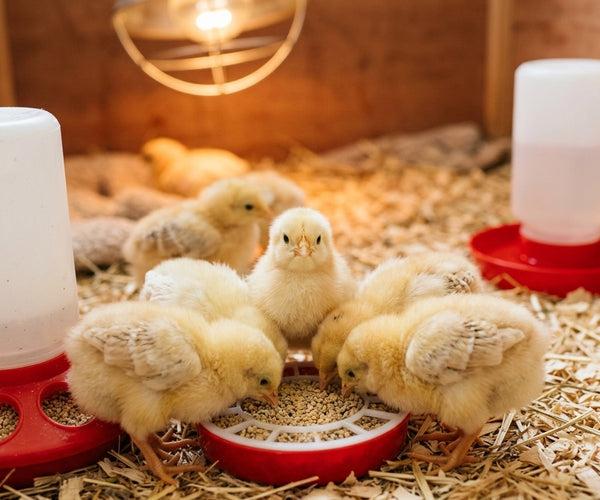
Weeks 2–3
- Continue providing balanced starter feed.
- Increase space as the chicks grow.
- Keep bedding clean and dry.
- Monitor weight, appetite, and activity.
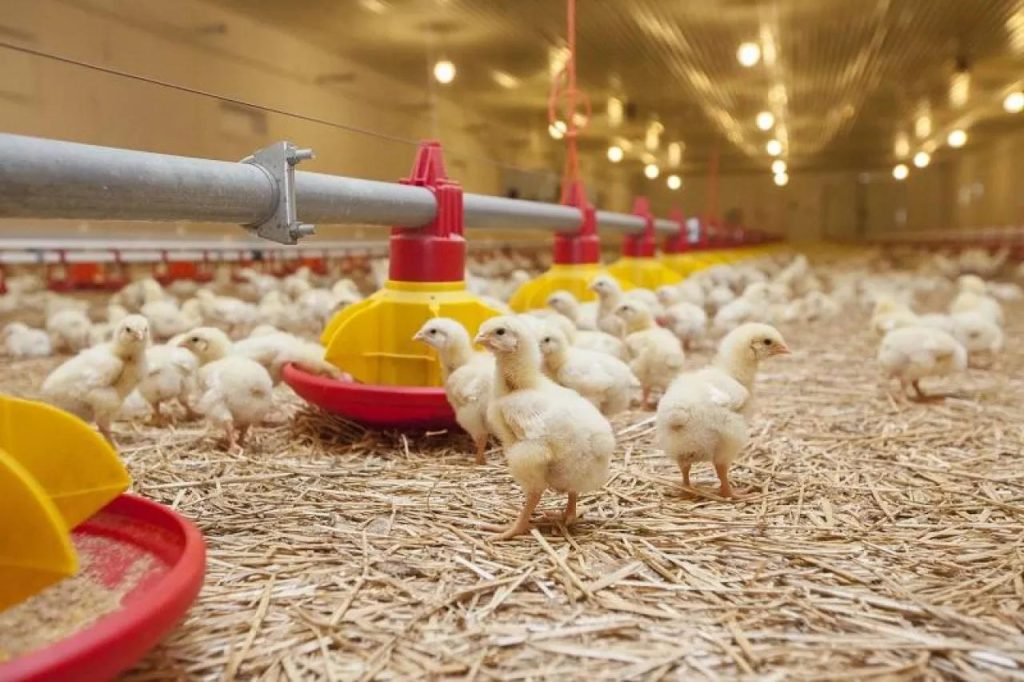
Weeks 4–6
- Provide enough room for movement.
- Maintain good ventilation without cold draughts.
- Follow the appropriate feeding programme.
- Continue monitoring growth and health.
2. Daily management routine
A good farmer should inspect the chicks several times each day.
| Time | Management activity |
|---|---|
| Morning | Check chick behaviour, temperature, feed, and water. |
| Midday | Check ventilation, drinking water, and signs of illness or overheating. |
| Afternoon | Inspect litter, feeders, drinkers, and chick activity. |
| Evening | Refill supplies, check warmth and security, and record observations. |
3. Feeding and watering
- Provide suitable, balanced chick starter feed.
- Ensure clean drinking water is always available.
- Clean drinkers regularly.
- Store feed in a dry, clean place.
- Avoid mouldy feed and relying on maize alone.
4. Temperature management
Young chicks need additional warmth. Many commercial chicks start brooding at around 32–35°C at chick level, depending on the equipment and supplier’s guidance.
- Chicks huddling together may be too cold.
- Chicks panting or moving away from the heat may be too hot.
- Chicks spread comfortably around the brooder are generally more comfortable.
Use a thermometer and adjust the temperature gradually as the chicks grow.
5. Hygiene and disease prevention
- Keep the poultry house clean and dry.
- Remove wet bedding promptly.
- Prevent overcrowding.
- Restrict unnecessary visitors.
- Follow a vaccination schedule recommended by a poultry veterinarian.
- Seek veterinary advice if chicks become weak, have breathing difficulties, develop bloody droppings, or die unexpectedly.
6. Monitoring chick growth
Weigh a sample of chicks weekly and compare their weights with the recommended targets for their breed and age. Record the amount of feed used, deaths, illnesses, vaccinations, and expenses.
These records help you identify problems early and evaluate the performance of your flock.
7. Common mistakes to avoid
- Inadequate warmth.
- Dirty drinking water.
- Poor-quality feed.
- Overcrowding.
- Wet bedding and poor ventilation.
- Ignoring sick chicks.
- Failing to keep farm records.
Conclusion
Successful chick rearing requires patience, observation, and consistent daily care. Providing the right feed, clean water, suitable warmth, adequate space, and good hygiene gives chicks a better chance of growing into healthy birds.
Healthy chicks today mean a stronger flock tomorrow! 🐥🐔
Blog tip: Add your own photographs of the chicks each week, a daily care checklist, and a record of feed costs. These additions will make your article more practical and useful to other poultry farmers.