
By Neochicks Poultry Limited | October 15, 2026
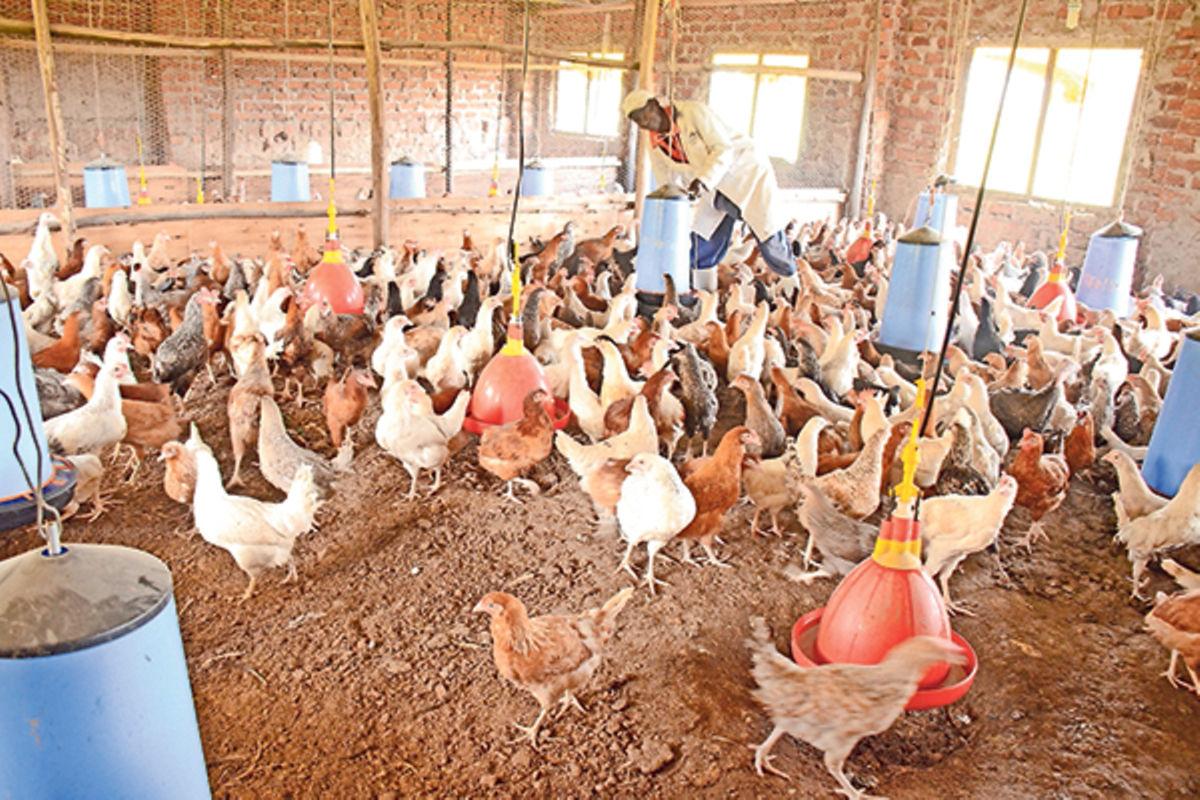
Poultry farming is one of the most promising agribusiness opportunities in Kenya. From small-scale farmers keeping improved kienyeji chickens to commercial enterprises producing eggs and broilers, the industry offers opportunities for income generation and business growth.
However, not every poultry farming venture becomes profitable.
Many farmers experience high chick mortality, slow growth rates, disease outbreaks, excessive feed expenses, and disappointing returns. Interestingly, some of these challenges arise from avoidable management mistakes rather than a lack of capital.
At Neochicks Poultry Limited, we believe that understanding these common mistakes is the first step towards building a successful and sustainable poultry farming business.
Here are seven mistakes every poultry farmer should avoid.
1. Buying Cheap Chicks Without Considering Their Quality
One of the biggest mistakes beginners make is choosing chicks solely based on price.
Although inexpensive chicks may appear attractive, purchasing birds from unreliable suppliers can expose farmers to problems such as poor growth, disease, high mortality, and inconsistent flock performance.
How to avoid this mistake:
Purchase chicks from reputable hatcheries and suppliers.
Ask about vaccination history and the health status of the flock.
Select active, healthy-looking chicks.
Confirm that the breed matches your farming objectives.
Prepare suitable brooding facilities before your chicks arrive.
Neochicks Tip: Whether you are purchasing Sasso, Kuroiler, Kari, Kenbro, broilers, or layers, the quality of your starting flock can significantly influence your farming results.
2. Poor Brooding Management During the First Few Weeks
The first few weeks of a chick’s life are particularly important.
Young chicks cannot regulate their body temperature as effectively as mature birds. When exposed to inappropriate temperatures, draughts, wet litter, or inadequate drinking water, they become stressed and more vulnerable to health problems.
Poor brooding practices can lead to unnecessary chick mortality.
How to avoid this mistake:
Preheat the brooder before chicks arrive.
Provide appropriate heating and monitor temperatures at chick level.
Observe chick behaviour to identify signs of overheating or chilling.
Ensure constant access to clean drinking water.
Keep bedding dry and replace excessively wet areas.
Avoid overcrowding.
For many day-old chicken chicks, a brooding temperature of approximately 32–35°C at chick level is a common starting point, depending on the brooding system and breed. Adjust gradually according to chick behaviour and the supplier’s guidance.
Neochicks Tip: Chick behaviour is a valuable indicator of brooding conditions. Chicks crowding around a heat source may be cold, while chicks moving away from it and panting may be too hot.
3. Feeding Chickens the Wrong Type or Quantity of Feed
Feed is usually one of the largest expenses in poultry farming.
Unfortunately, some farmers try to reduce costs by purchasing poor-quality feed, using inappropriate feed formulations, or failing to provide sufficient nutrition.
These practices can result in slow growth, poor egg production, inefficient feed conversion, and lower profitability.
How to avoid this mistake:
Use feeds formulated for the birds’ age and production purpose.
Provide starter, grower, finisher, or layer feeds as appropriate.
Purchase feed from reliable manufacturers.
Store feed in a clean, dry, pest-free environment.
Monitor feed consumption and bird performance.
Provide fresh drinking water at all times.
Neochicks Tip: The cheapest feed is not necessarily the most economical. Compare feeding costs against growth performance, bird health, and overall productivity.
4. Ignoring Vaccination and Biosecurity
Disease outbreaks can cause substantial financial losses, particularly in large flocks.
Some farmers wait until chickens become visibly sick before seeking veterinary assistance. Unfortunately, by that time, an infection may already have spread throughout the poultry house.
Common poultry health concerns in Kenya include Newcastle disease, infectious bursal disease (Gumboro), coccidiosis, and other respiratory or intestinal illnesses.
How to avoid this mistake:
Follow a vaccination programme recommended by a qualified veterinarian.
Restrict unnecessary movement into poultry houses.
Disinfect footwear and equipment appropriately.
Quarantine newly introduced birds.
Isolate sick chickens and seek veterinary advice promptly.
Control rodents, wild birds, and other potential disease carriers.
Maintain clean feeders, drinkers, and housing.
Neochicks Tip: Prevention is generally more affordable and effective than dealing with an established disease outbreak. Vaccination is important, but it must be combined with good hygiene and biosecurity.
5. Overcrowding Chickens in Poorly Ventilated Houses
Some farmers assume that keeping more chickens in a smaller space automatically increases profitability.
In reality, overcrowding can create serious problems.
High stocking densities may contribute to heat stress, excessive moisture, poor air quality, disease transmission, and competition for feed and water.
Poor ventilation can also allow ammonia from poultry litter to accumulate, irritating the birds’ respiratory systems.
How to avoid this mistake:
Design poultry housing according to the number, size, and type of birds.
Maintain suitable stocking densities.
Provide adequate natural or mechanical ventilation.
Prevent excessive heat buildup.
Keep litter dry and manage manure properly.
Ensure sufficient feeder and drinker space.
Neochicks Tip: A properly designed poultry house supports healthier chickens, easier management, and potentially better production performance.
6. Starting Poultry Farming Without a Reliable Market
Many people enter poultry farming because they hear that chickens or eggs are selling at attractive prices.
However, they sometimes overlook an important question:
Who will buy my chickens or eggs when they are ready for sale?
Without a clear marketing strategy, farmers may struggle to sell mature chickens, incur additional feeding expenses, or accept unfavourable prices.
How to avoid this mistake:
Research demand in your local market before buying chicks.
Identify potential buyers such as hotels, restaurants, households, traders, and institutions.
Understand seasonal demand and price fluctuations.
Develop relationships with potential customers early.
Consider different marketing channels, including social media.
Match production volumes with realistic market demand.
Neochicks Tip: Successful poultry farming begins with understanding your customers, not simply purchasing chickens.
7. Failing to Keep Proper Farming Records
One of the most overlooked aspects of poultry farming is record keeping.
Some farmers cannot accurately determine how much they spend on feed, medication, labour, electricity, and other operating expenses.
Without this information, calculating profitability becomes difficult.
How to avoid this mistake:
Maintain records of:
Number and cost of chicks purchased
Daily feed consumption
Vaccination and veterinary expenses
Mortality and flock health
Egg production or weight gain
Labour, electricity, and transport expenses
Sales revenue and outstanding payments
Accurate records help farmers identify unnecessary expenses, evaluate flock performance, and make informed business decisions.
Neochicks Tip: Treat poultry farming as a business from the beginning. Every significant expense and sale should be recorded.
Bonus Tip: Invest in Knowledge Before Expanding Your Farm
One of the most valuable investments a poultry farmer can make is acquiring practical knowledge.
Before increasing your flock from 100 to 500 or 1,000 chickens, ensure that you understand poultry nutrition, housing, disease prevention, production costs, and marketing.
Expanding without the necessary management skills can multiply existing problems.
Practical training and professional guidance can help farmers avoid expensive mistakes and improve their decision-making.
How Neochicks Poultry Limited Supports Farmers
At Neochicks Poultry Limited, our mission is to empower poultry farmers with quality products, reliable equipment, and practical knowledge.
Our products and services include:
Improved Kienyeji Chicks: Sasso, Kuroiler, Kari, and Kenbro.
Broiler and Layer Chicks: For meat and egg production.
Automatic Egg Incubators: Various capacities for small-scale and commercial hatcheries.
Fertile Hatching Eggs: For farmers interested in producing their own chicks.
Poultry Equipment: Poultry cages, feeders, and feed-processing equipment.
Poultry Farming Training: Practical guidance for beginners and experienced farmers.
Egg Incubation Services: Helping farmers hatch fertile eggs without owning an incubator.
We support farmers across Kenya through product supply, delivery arrangements, and technical guidance.
Final Thoughts
Poultry farming can be a rewarding venture when approached with appropriate planning, knowledge, and discipline.
By avoiding these seven common mistakes, farmers can improve flock health, manage operating costs, and increase their chances of building sustainable poultry businesses.
Remember, successful poultry farming is not simply about keeping more chickens. It is about managing the right chickens, in the right environment, at the right cost, for the right market.
Neochicks Poultry Limited — Your Partner in Poultry Farming.
Interested in starting or expanding your poultry farm? Contact Neochicks Poultry Limited for chicks, egg incubators, poultry equipment, and training services.